
How can I tell if I have oil or latex paint on my trim?
Oil-based and latex paints have distinct characteristics that can influence your choice of cleaning methods, touch-up options, and even the longevity of the paint job. In this blog post, we’ll guide you through a step-by-step process to help you identify whether your trim is adorned with oil or latex paint.
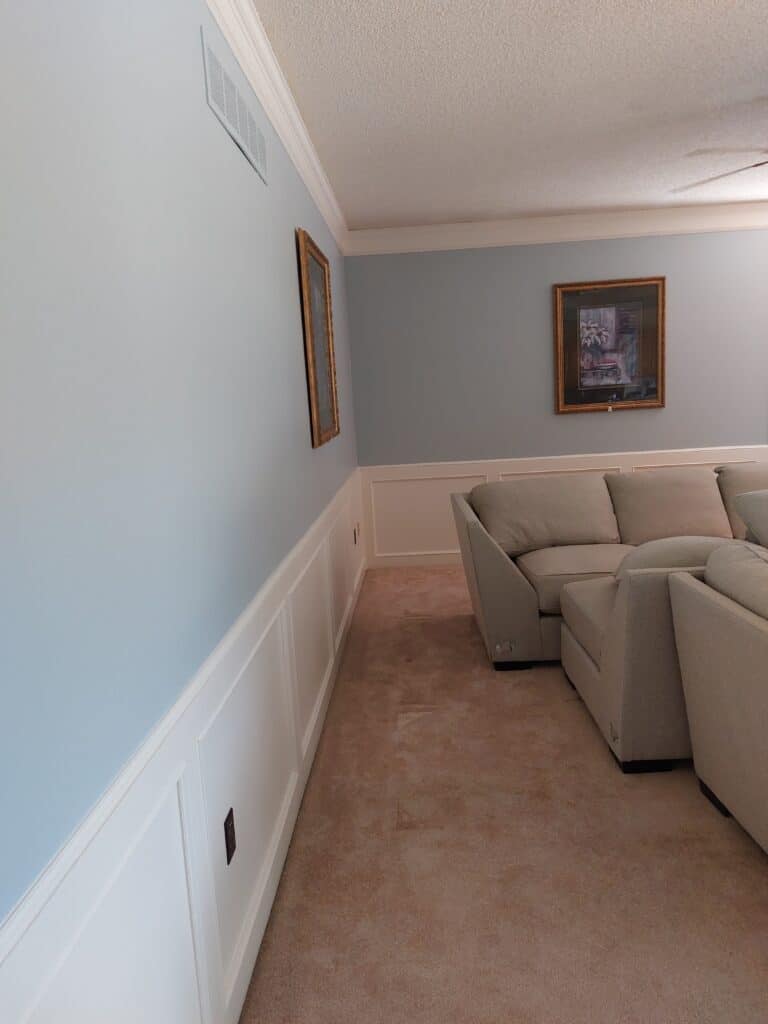
The finish of the paint on your trim can offer valuable clues. Oil-based paint typically imparts a smooth, glossy finish, while latex paint tends to dry with a more matte appearance. Shine a light across the surface of the trim and note the reflection. A shiny surface often indicates oil-based paint, whereas a matte finish is a hallmark of latex.
Flexibility is another characteristic that sets the two types of paint apart. Latex paint is known for its flexibility, allowing it to expand and contract with temperature fluctuations. Gently press your fingernail into a inconspicuous area of the trim. If the paint is flexible and doesn’t crack, it’s likely latex. Oil-based paint, on the other hand, tends to be more rigid and can crack when subjected to movement.
The age of the paint job can provide valuable information. If your home was built or last painted before the 1970s, there’s a higher chance that the trim is coated with oil-based paint. Latex paint became more popular in the 1970s due to its ease of use, faster drying time, and lower levels of volatile organic compounds (VOCs). However, because it tends to be more cost effective many new home builders continue to use oil-based paint on trim to this day.
Perform the Rub Test
The rub test is a simple yet effective way to distinguish between oil and latex paint. Moisten a clean white cloth with rubbing alcohol and gently rub a small, inconspicuous area of the trim. If paint comes off on the cloth, it’s likely latex. Oil-based paint is less likely to transfer onto the cloth.